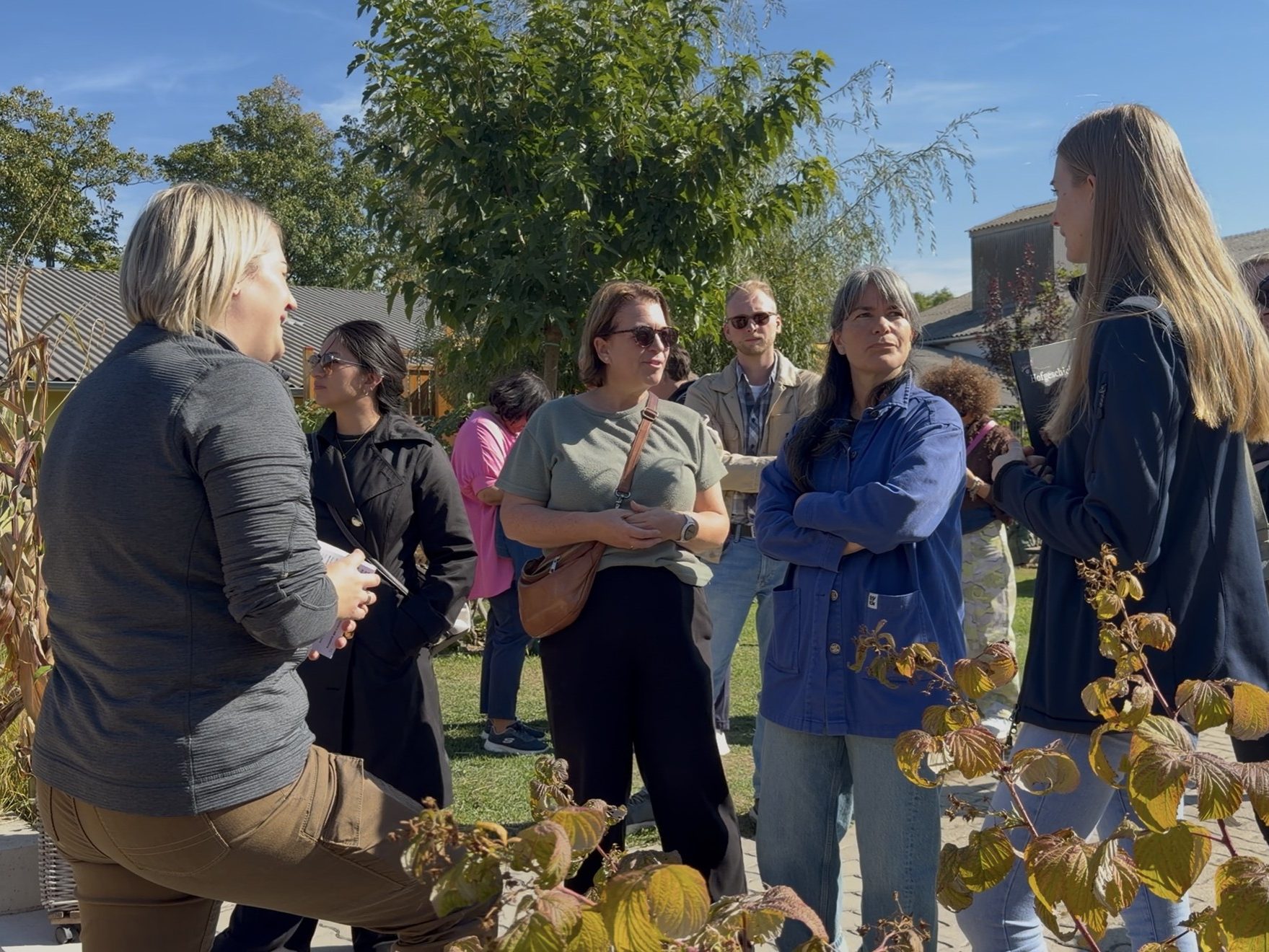
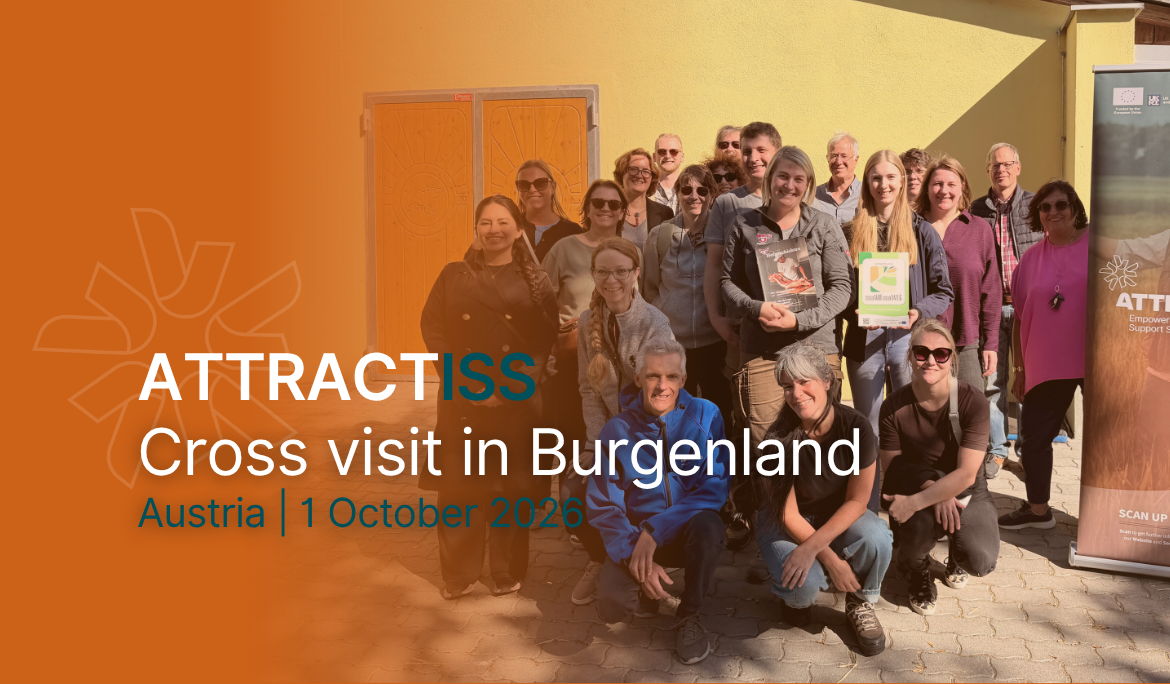
What does innovation support look like on the ground? On 1 October 2026, following the 5th Annual ATTRACTISS Meeting in Vienna, partners travelled to Lower Austria and Burgenland for a cross visit organised by the Wirtschaftsagentur Burgenland (WAB). The visit offered the opportunity to explore innovation support in practice, exchange experiences with peers, and reflect on how the seven functions of Innovation Support Services contribute to stronger Agricultural Knowledge and Innovation Systems (AKIS).
Tradition Meets Innovation at Jahner’s Spanferkel
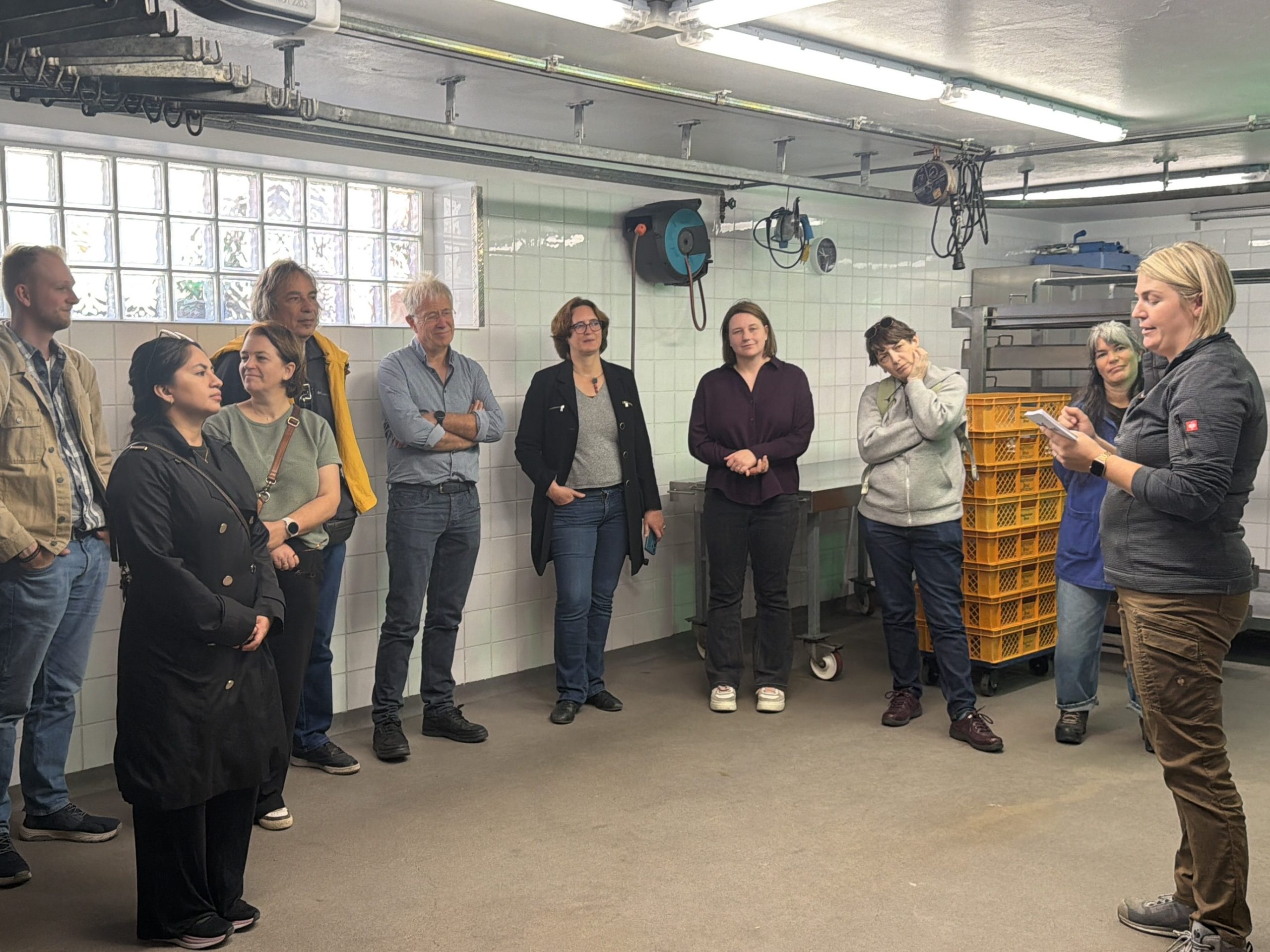
The day began at Jahner’s Spanferkel in Bruck an der Leitha, a family farm rooted in agriculture since 1890. For more than 30 years, the farm has been known for its roast suckling pigs, a regional speciality that has made the brand known far beyond its district.
In 2022, Lisa and Sebastian Zanker took over the farm from Lisa’s parents as the third generation. Lisa trained as an agricultural engineer at the HBLFA Francisco Josephinum in Wieselburg and completed an internship in New Zealand, where she met Sebastian. He had originally been expected to take over his family’s dairy farm in Bavaria, but chose a different path after completing a master’s degree in agriculture. Together, they combine long-standing family tradition with fresh ideas to develop the business sustainably.
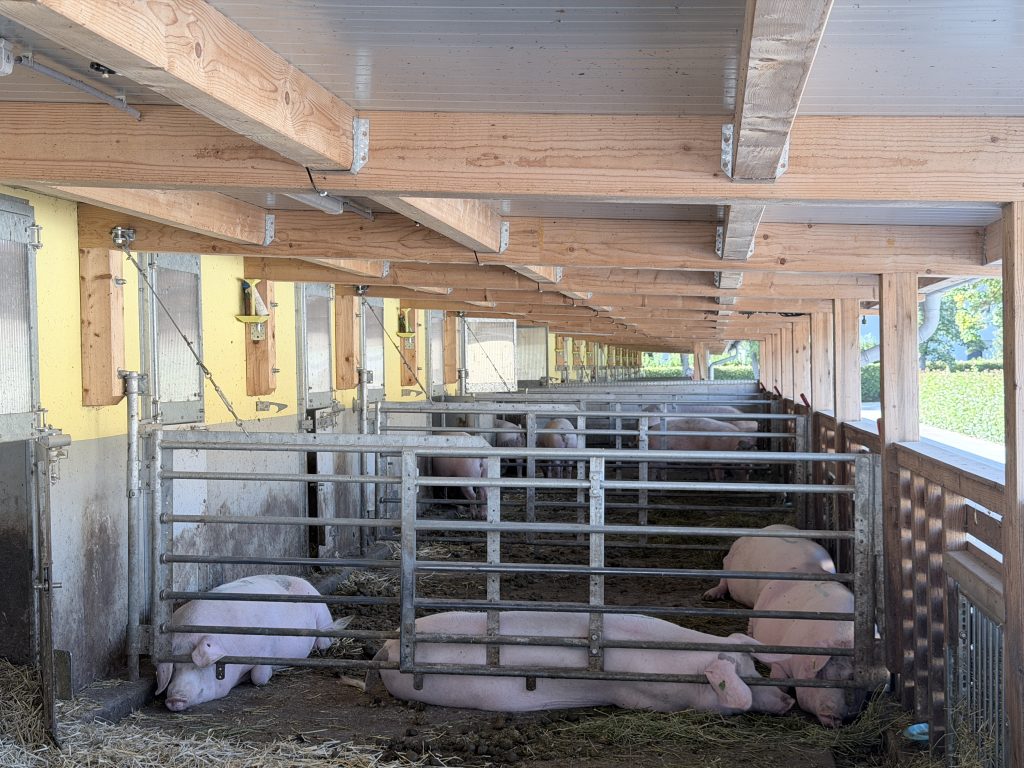
Partners saw how the farm works as a closed regional cycle. The farm’s own fields provide feed, straw and hay for the pigs, while diverse crop rotations, cover crops and fertilisation with pig manure maintain soil fertility. The pigs live in spacious straw-bedded pens with outdoor access, organised into different functional areas that allow natural behaviour, and on-site slaughter keeps transport routes short. Even the ingredients for the bread stuffing and coleslaw are sourced locally, keeping the added value in the region.
The farm also places strong emphasis on transparency. Through Instagram, Facebook, TikTok, YouTube and LinkedIn, Lisa and Sebastian share everyday life on the farm, making agriculture more tangible for consumers and raising awareness of local food production. It’s a clear example of how farmers themselves can become active communicators for the sector.
Farming and Nature at Lake Neusiedl
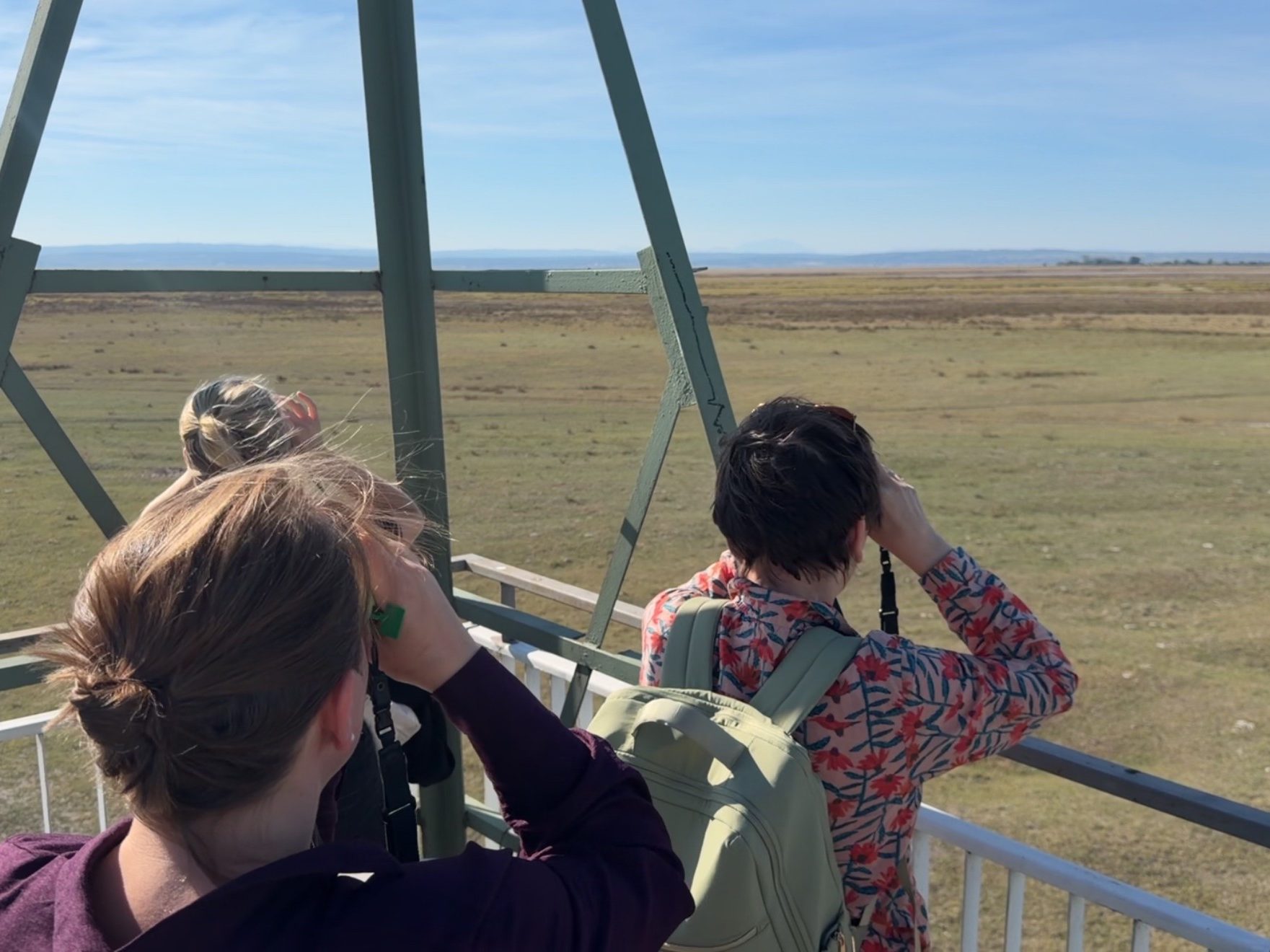
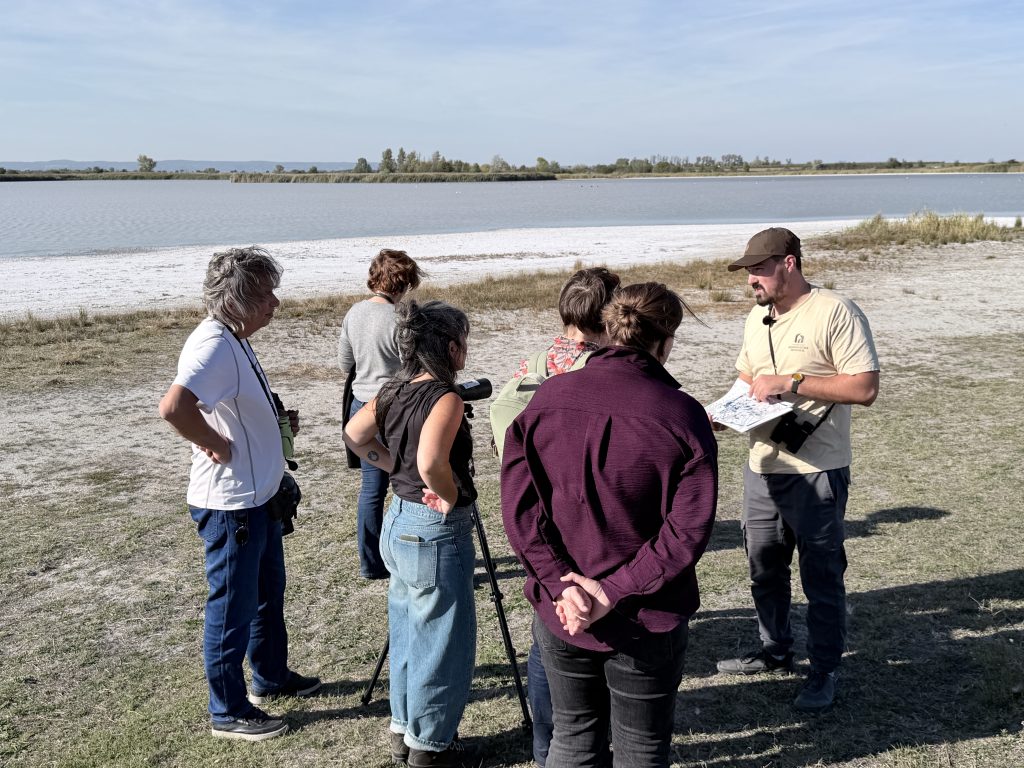
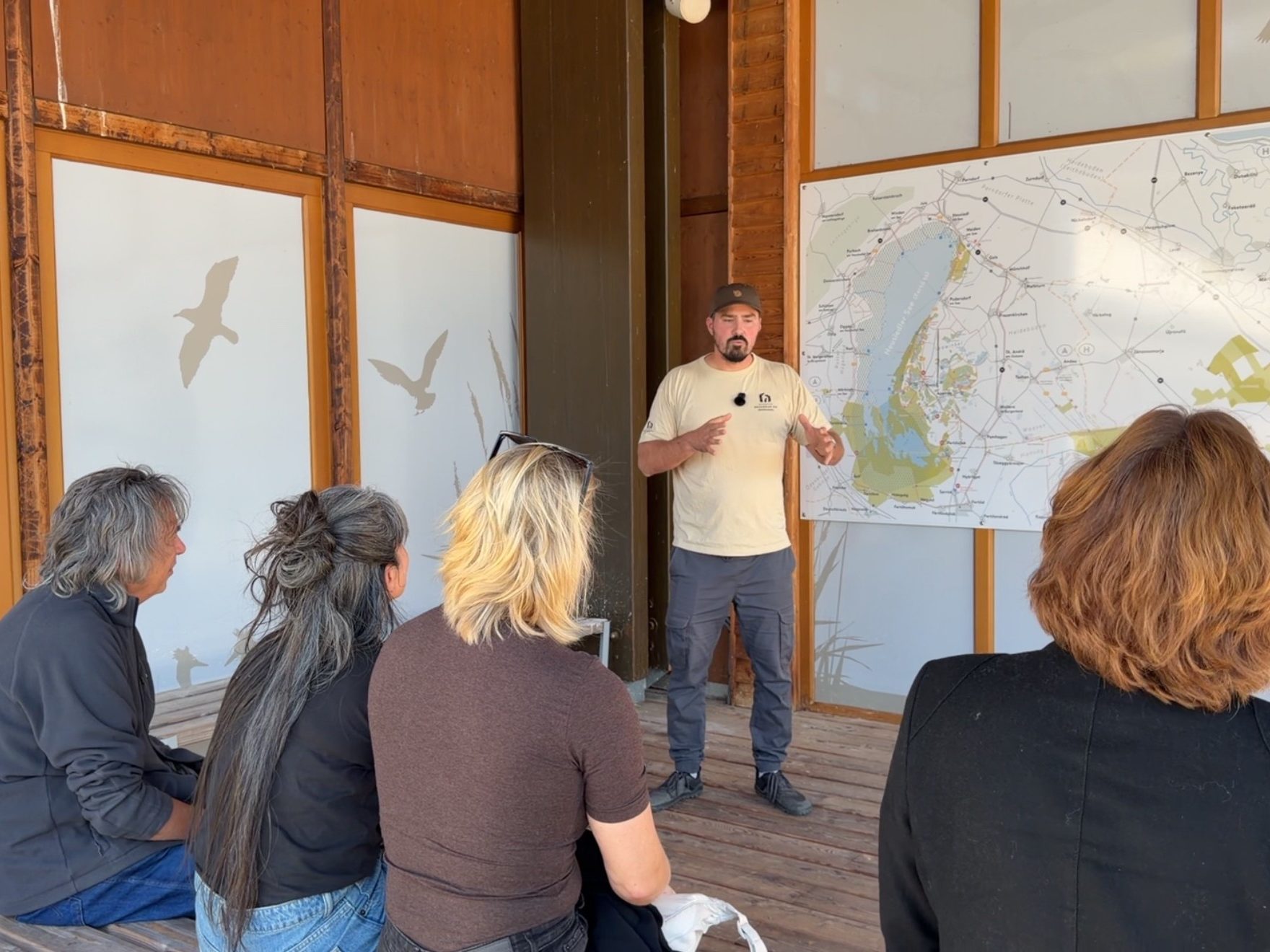
After lunch at Lake Neusiedl, partners visited the Neusiedler See–Seewinkel National Park. Located at the edge of the Alps and the western fringe of the Pannonian lowlands, it is Austria’s only steppe national park and an essential stopover for thousands of migratory birds between their wintering and breeding grounds. The park covers 10,000 hectares in Burgenland, with a further 23,721 hectares protected on the Hungarian side. The Austrian section was established in 1993 and declared a World Heritage Site in 2001.
The Seewinkel landscape forms a mosaic of large wetlands, grazing areas, meadows, dry grasslands, sand steppes and salt sites, alongside numerous soda pools that are unique in inland Europe. Of particular interest for the group was the role of agriculture in conservation: through area management, traditional breeds such as Hungarian grey cattle, white donkeys and water buffalo graze in the conservation zone, allowing the park to protect both natural and cultural heritage at the same time. The visit showed how farming and nature protection can work hand in hand.
Reflecting on the Seven Functions of Innovation Support
The day ended with a reflection session and a traditional “Jause” an Austrian snack with local products, at a regional tavern. Partners discussed what they had seen during the day and which of the seven ISS functions they had recognised in practice, from a young farming couple bringing new ideas into a family business to a national park using traditional grazing for conservation.
Take-away
The cross visit showed how innovation in agriculture often grows from the combination of tradition, new ideas and strong regional networks. Seeing these examples first-hand gave partners concrete inspiration to bring back to their own organisations and to the work of ATTRACTISS in its final two years.