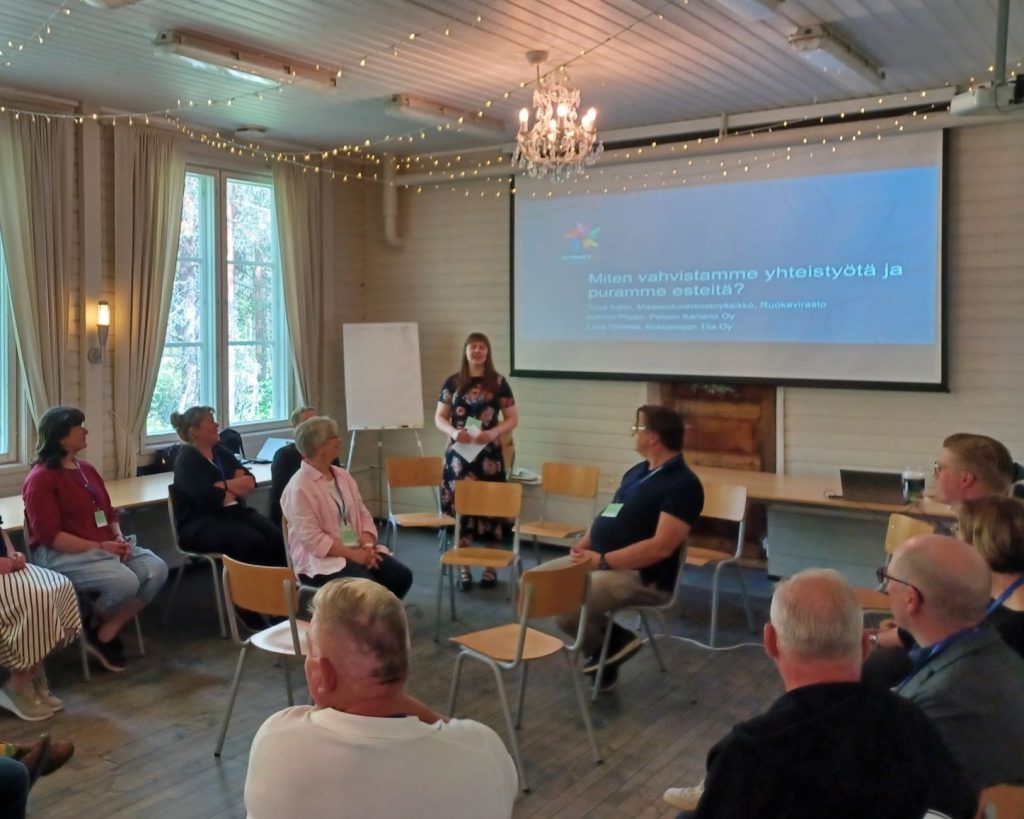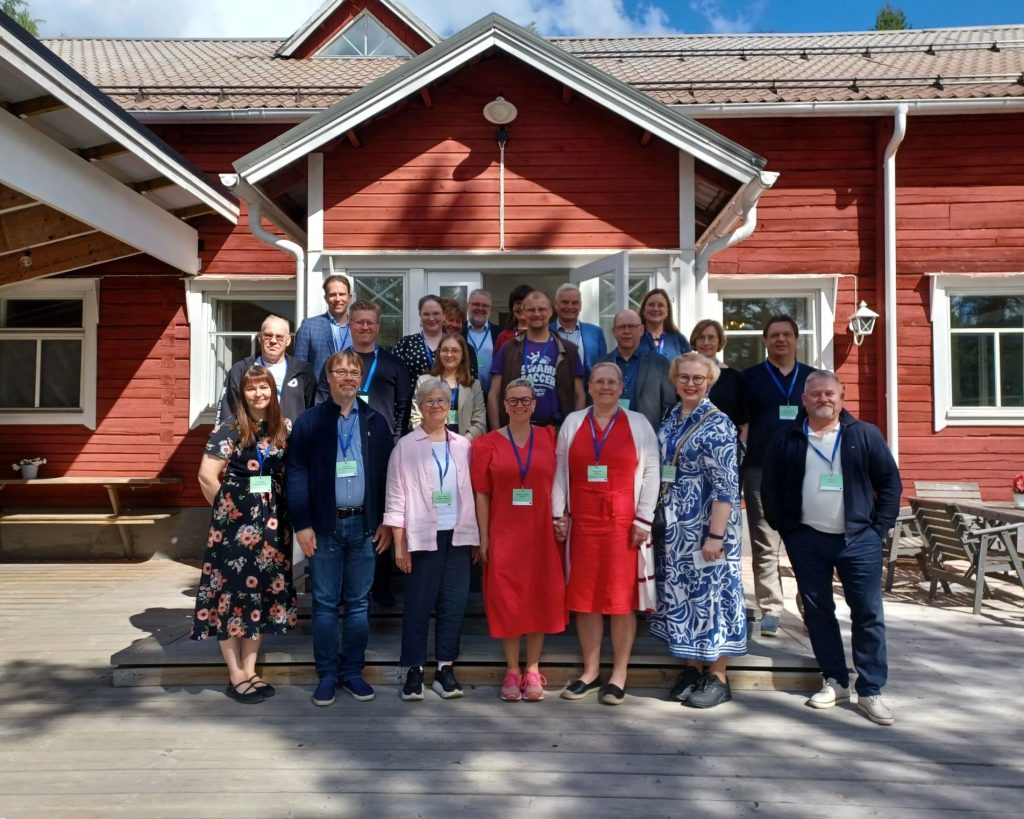
How can Finland strengthen its agricultural innovation ecosystem so that new ideas are translated into practical solutions on farms? This question was at the heart of the Finnish masterclass workshop held on 24 June in Alavieska, Finland, bringing together farmers and experts from agriculture, horticulture, research, public administration, finance, food processing industry, advisory services, innovation support and education.
The event was jointly organised by the Finnish Rural Network Unit, ATTRACTISS and modernAKIS projects. Its aim was to identify the strengths and development needs of Finland’s agricultural innovation ecosystem and to build a shared vision for supporting innovation in the years ahead.
Food Strategy 2040 Sets the Direction
The day opened with a keynote by Elina Ovaskainen from the Finnish Ministry of Agriculture and Forestry, who introduced the objectives of Finland’s Food Strategy 2040. The strategy highlights the importance of innovation, skills, investment, collaboration, and an enabling public administration in building a sustainable and competitive food system. Participants also emphasised the need to strengthen the role of consumers in the future food system.
Pasi-Heikki Rannisto from Tampere University then explored what agriculture can learn from innovation ecosystems in other sectors. His presentation highlighted the importance of long-term collaboration, stable structures, active interaction, and the courage to challenge established ways of working.
Workshop Discussions Highlighted Both Opportunities and Barriers
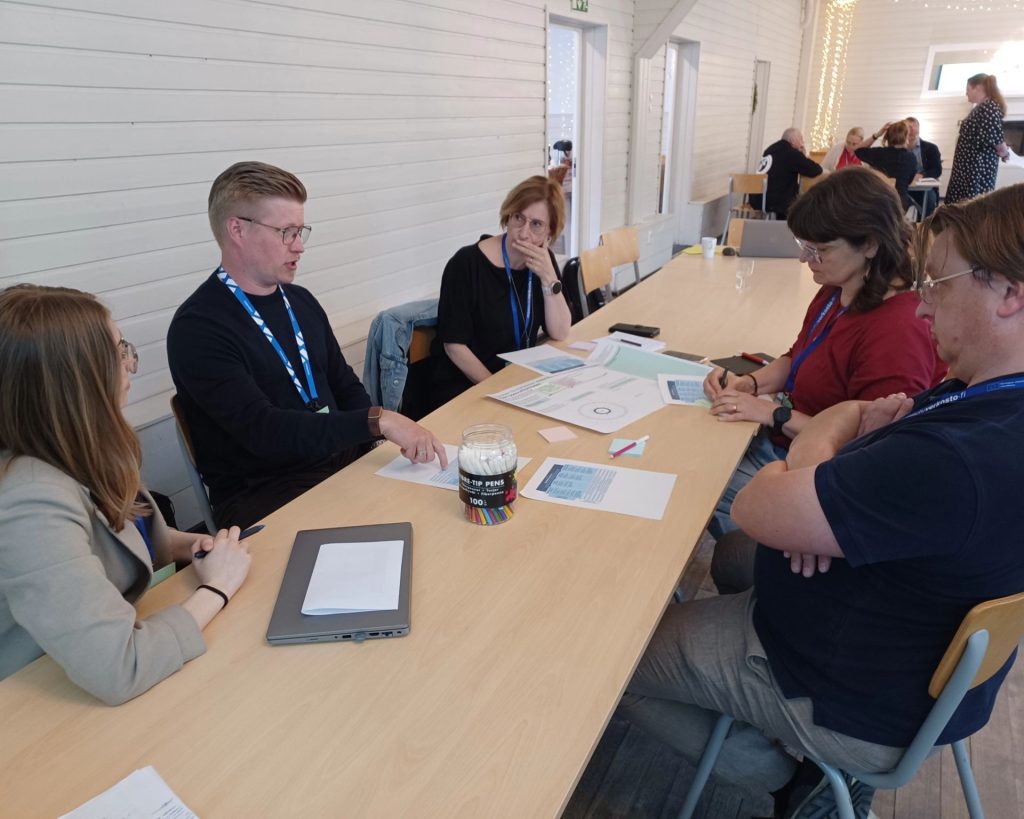
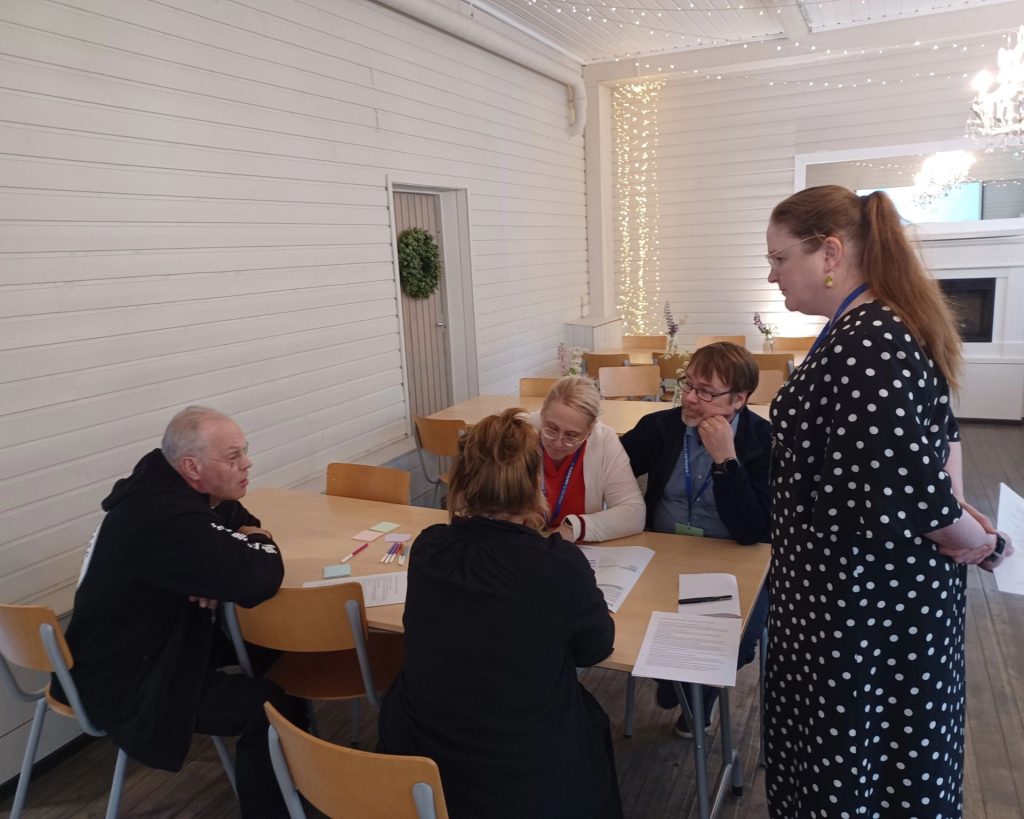
During the interactive group work, participants identified key factors that both enable and hinder innovation in agriculture. The discussions highlighted:
- Continuous competence development and the use of artificial intelligence
- Stronger entrepreneur-led innovation and leadership
- The importance of networks and collaboration
- Making success stories more visible
- Strengthening foresight and long-term development.
The main barriers identified included low profitability, lack of time, bureaucracy, labour shortages, and the need to strengthen both management and market-oriented skills. Participants also stressed that innovation requires a culture where experimentation—and occasional failure—is accepted as part of the learning process.
Innovation Requires Everyone
The concluding fishbowl discussion reinforced the message that building a stronger innovation ecosystem is a shared responsibility. Participants highlighted the importance of involving actors who have traditionally been underrepresented in innovation discussions, particularly the retail sector. They also emphasised the need to improve consumers’ understanding of food production and to expand partnerships beyond traditional sector boundaries.
Take-away
Participants saw their own role as actively advancing the ideas generated during the Master Class by sharing insights within their organisations and networks, engaging in dialogue with stakeholders, partners and project representatives, and strengthening collaboration across sectors. Many emphasised the importance of building and using networks, inviting new actors into discussions, and looking beyond their own professional “bubble”.
Several participants highlighted their intention to contribute to AKIS development, the implementation of Finland’s Food Strategy, and the renewal of communication practices. Others committed to integrating the outcomes into training and capacity building, ensuring knowledge is shared within their organisations rather than remaining with individuals, and maintaining active participation in Rural Network activities and other collaborative forums.
Participants also expressed a willingness to promote a more innovation-friendly operating environment, seek funding for development initiatives, advance innovation through their daily work, and strengthen regional innovation ecosystems. Overall, the responses reflected a strong commitment to collaboration, knowledge sharing, and turning discussion into concrete action.
The overall conclusion of the day was clear: strengthening Finland’s agricultural innovation ecosystem requires closer collaboration, entrepreneur-driven development, and the willingness to embrace new technologies and ways of working. Continuous learning, broader partnerships, and open dialogue across the entire food system will be essential to achieving this vision.